


 HDFC Bank
  SBI Card
  IDFC Bank
 Axis Bank
 RBL
RBL 
 ICICI Bank
  CITI Bank
  HSBC
HSBC  YES Bank
  AMEX
AMEX  IndusInd Bank
  Standard Chartered
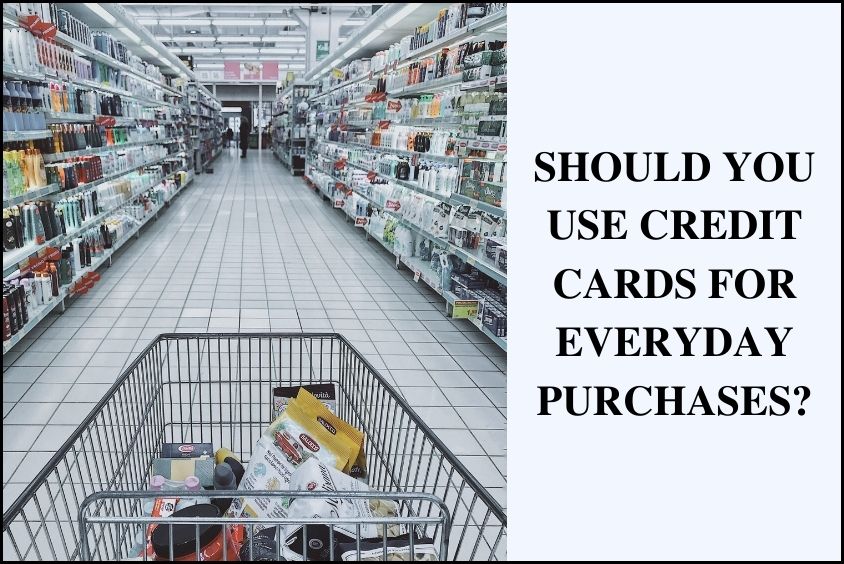
Many people believe that credit cards are supposed to be used for big purchases and emergencies only and not for everyday spends. This is one of the most popular credit card myths and needs to be understood. There is no harm in making everyday purchases using your credit card, provided that you don’t overspend. As long as you are responsible enough, you can do anything you want with your credit card. If you are also someone who believes that credit cards should not be used for everyday expenses, you must go through this article and understand how it can be advantageous to use credit cards to make everyday purchases:

Should You Make Everyday Purchases Using Your Credit Card?
Yes, you can use your credit card for everyday purchases and there is no loss in doing so. If you know how to use a credit card responsibly, you can and should use a credit card everywhere you can as it is way easier to use as compared to cash or debit cards. However, you need to keep a few things in mind while doing so, such as your credit utilization ratio, payment due dates, etc. Following are the key benefits of using a credit card for everyday expenses:
Advantages of Using Your Credit Card For Everyday Purchases
Hassle-Free Cashless Transactions
Cash can be very annoying to use sometimes as you need to count the money every time you purchase something and then pay. But, credit cards are very convenient to use as you just need to swipe, enter your PIN, and your payment is done. Moreover, credit cards are safer and easier to carry as they come with zero liability protection plans. If you lose a credit card and report it to your card issuer, then you will not be responsible for any unauthorized transactions made on your card and your card issuer will pay for it. Whereas if you lose cash or your debit card then all the money that will be lost will be yours.
Save More on Your Spends
Almost all the credit cards offer you some or the other types of rewards, such as reward points, cashback, Airmiles, etc, on every spend you make using your credit card. So, you can save something every time you spend, which can not be done in the case of cash. Reward Points are one of the most significant reasons why people use credit cards and it is advisable for everyone to make most of their purchases using their credit cards so that they can earn more & more rewards.
Purchase Protection
Credit cards come with exclusive insurance covers and purchase protection plans. If you make a purchase using a credit card then you get an extended warranty with it, which means you can return or exchange it even after the product’s warranty period is over if your extended warranty period is still going on. This facility is not provided when you purchase things using cash or debit cards. So, you can make your purchases more secure by availing yourself of this facility.
Build Your Credit Score
In order to build a good Credit history, you should use your credit card regularly. If you make all your purchases using a credit card and make timely payments, it will not only build your credit score but your card issuer may also think about giving you a higher credit limit. So, you should try to use your card more & more (but responsibly) to get even better offers and deals from your card issuer.
Things To Keep in Mind:
- You should keep the fact in mind that using more than 30% of your total credit limit can hurt your credit score. So, make all your purchases using your credit card, but try not to exceed this limit.
- People often overspend using credit cards as they find it easier to make purchases, but make sure to spend only what you can afford to pay later. Otherwise, you can find yourself left with poor financial health.
- Making payments on time is the most important thing to do when you use a credit card as your payment history plays the biggest role when your credit score is calculated. So, make sure to pay your credit card bills on time in order to avoid any extra charges and to maintain a good credit score.
Bottom Line
Now you might have understood that you can undoubtedly use your credit card for everyday purchases as long as you are keeping all the necessary things in mind. Doing this can benefit you in not only one but several ways as you will only save on your spends and will not lose anything. Just make sure to keep your credit utilization ratio lower and make your payments on time. Also, never spend more than you can afford as it can hurt your credit score as well as your financial health badly. If you still have any doubts regarding any point mentioned above, let us know in the comment section below!


